What Causes Foundations to Sink or Settle Over Time
Understanding what causes foundations to sink or settle over time helps homeowners seek local contractors who specialize in foundation lifting to stabilize and protect their property.
Understanding the factors that cause foundations to sink or settle over time is essential for property owners who want to protect their investments. Foundations are designed to support structures, but various practical reasons-such as shifting soil, moisture changes, or inadequate initial construction-can lead to uneven settling. Recognizing these common causes helps homeowners stay alert to early signs of foundation issues and consider timely solutions that can prevent more extensive damage down the line.
For those exploring foundation lifting services, knowing what contributes to settlement can clarify when professional intervention might be needed. Local contractors who specialize in foundation lifting have the experience to assess the specific conditions affecting a property and address underlying issues. As you read on, you'll find practical insights into how foundation problems develop and how local service providers can help restore stability, ensuring your property remains safe and sound over time.
- Foundation lifting - needed when shifting soil or settling causes uneven foundation levels, with local contractors using jacking and stabilization techniques to restore stability.
- Soil stabilization - required if expansive or loose soils beneath a foundation lead to sinking, with local service providers applying soil treatment methods to improve ground support.
- Pier and beam underpinning - necessary when inadequate support results in settlement, with local pros installing piers or supports to reinforce the foundation structure.
- Mudjacking or slab lifting - appropriate when sinking occurs in concrete slabs due to soil movement, with local contractors raising and leveling the affected areas.
- Drainage correction - important if poor drainage causes water accumulation around the foundation, with local experts implementing solutions to reduce soil erosion and moisture issues.


When people search for what causes foundations to sink or settle over time, they are usually trying to understand why their property’s stability has changed or why cracks and uneven floors have appeared. This topic often comes up when homeowners notice signs of foundation movement, such as shifting walls, sticking doors, or visible cracks in the concrete. Understanding the root causes helps property owners determine whether the issue is a temporary problem or something that needs professional intervention. Many are also exploring this topic to plan future repairs or to prevent further damage, making it a key part of maintaining the long-term safety and value of their homes.
Problems related to foundation settlement are often linked to changes in the soil beneath a property. Soil can shrink, swell, or wash away over time, especially if it is not stable or properly prepared during construction. Common causes include expansive clay soils that react to moisture changes, poor drainage around the property, or soil erosion caused by heavy rainfall or flooding. These factors can lead to uneven support under the foundation, causing it to sink or settle unevenly. Homeowners planning foundation repairs or stabilization projects frequently seek insights into these causes to better understand what might be happening beneath their property.
The types of properties most affected by foundation settling tend to be those built on expansive clay soils, which are common in many regions. Single-family homes, especially those with basements or crawl spaces, are often impacted because their foundations are directly in contact with the ground. Commercial buildings, garages, and even some multi-unit residential complexes can experience similar issues if the soil conditions are problematic. Properties with poorly designed drainage systems, recent landscaping, or significant moisture fluctuations are more prone to foundation movement. Recognizing these property types helps homeowners and property managers understand how foundation settlement might relate to their specific building and what kind of local service providers are suited to handle these challenges.
Addressing foundation sinking or settling often involves specialized techniques like foundation lifting or stabilization, which local contractors can provide. These professionals assess the underlying causes-such as soil instability or drainage issues-and develop tailored solutions to restore stability. For homeowners, understanding what causes foundations to sink or settle over time clarifies the importance of expert evaluation and intervention. Connecting with local service providers who specialize in foundation lifting ensures that the work is handled efficiently and effectively, helping to prevent further damage and preserve the property's integrity. Proper diagnosis and timely action are key to maintaining a safe, stable home or building.
Soil Stabilization Projects - These projects involve improving soil conditions to prevent settlement issues, requiring knowledge of ground behavior similar to foundation lifting services.
Drainage System Installations - Proper drainage helps reduce soil moisture fluctuations that can cause foundation settling, aligning with the planning skills used in foundation stabilization.
Retaining Wall Construction - Building retaining walls involves understanding soil pressure and movement, which relates to addressing foundation settlement concerns.
Pier and Beam Foundation Repairs - These repairs focus on stabilizing and raising foundations affected by soil movement, utilizing similar techniques as foundation lifting.
Soil Testing and Analysis - Conducting soil tests helps identify causes of settlement, enabling local contractors to recommend appropriate stabilization or lifting solutions.
Underground Utility Installation - Installing utilities requires careful planning to avoid soil disturbance that could lead to foundation settlement issues, similar to foundation stabilization planning.
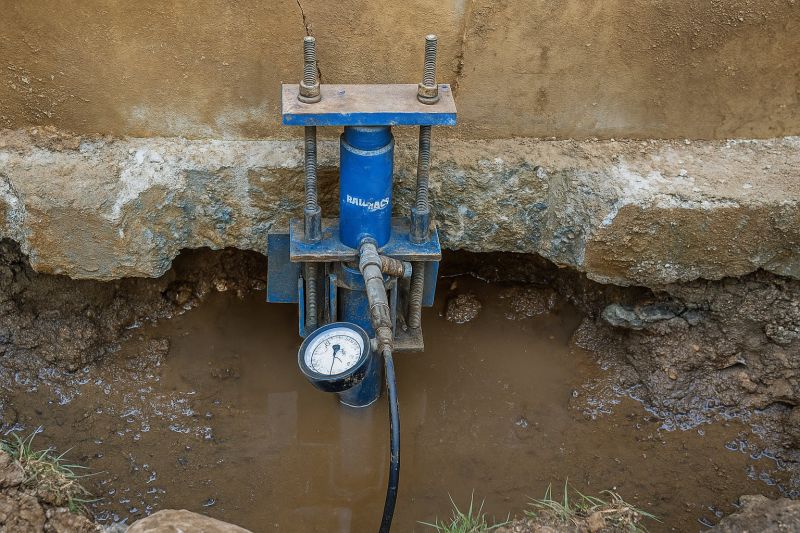
When evaluating local contractors for foundation lifting services related to foundation sinking or settling, it’s important to consider their experience with similar projects. A contractor who has successfully handled foundations with conditions comparable to your own can offer insights into the potential causes and effective solutions. Their familiarity with the specific soil types, foundation designs, and common issues in your area can help ensure that the work is approached with appropriate expertise. Asking about past projects or requesting examples of completed work can provide a clearer picture of their ability to address the unique challenges associated with foundation settling.
Clear, written expectations are crucial when comparing service providers for foundation lifting. A reputable contractor should be able to provide a detailed scope of work, outlining the methods they intend to use and what results can reasonably be expected. This documentation helps prevent misunderstandings and ensures that both parties agree on the scope and goals of the project. It also provides a basis for evaluating proposals and comparing what different local contractors are offering, making it easier to identify the most suitable option for addressing the specific issues caused by foundation sinking or settlement.
Good communication and reputable references are key factors in selecting a reliable service provider. Local contractors who are transparent about their processes and willing to answer questions demonstrate professionalism and a commitment to customer satisfaction. Additionally, seeking references or reviews from previous clients can offer valuable insights into their experience working with the contractor, especially regarding foundation lifting projects. Reliable communication ensures that any concerns or questions are addressed promptly, which is vital when dealing with the complexities of foundation issues. This combination of experience, clear expectations, and good communication can help homeowners find service providers capable of effectively managing the causes and remedies of foundation sinking or settling.
Property owners often search for what causes foundations to sink or settle over time when they are planning practical projects around their homes and businesses. Local pros provide Foundation Lifting services for everyday jobs and straightforward project options.


Foundations can begin to sink or settle over time due to a variety of common, everyday conditions. One frequent cause is soil movement beneath the property, which can happen when the ground becomes overly saturated from heavy rains or poor drainage. When the soil expands or contracts, it can create uneven pressure on the foundation, leading to settling or shifting. Additionally, changes in the moisture levels of the soil-such as drought conditions or inconsistent watering-can cause the ground to shrink or swell, impacting the stability of the foundation. Property owners noticing cracks or uneven floors often look into foundation lifting services offered by local contractors to address these issues and restore stability.
Other factors that contribute to foundation settlement include poor initial construction practices or the use of unsuitable soil types during building. For example, if the soil was not properly compacted or if it consists of loose or clayey materials, it may not support the structure adequately over time. Additionally, nearby excavation or construction activities can disturb the soil around a property, causing shifts that lead to settling. When these common, everyday situations arise, property owners may consider reaching out to local service providers experienced in foundation lifting to evaluate the situation and determine the best course of action to prevent further movement.
What are common causes of foundation sinking or settling over time? Foundation sinking or settling often results from soil movement, such as expansion and contraction due to moisture changes, or from inadequate soil compaction during construction. Local contractors can assess these issues and recommend appropriate foundation lifting solutions to stabilize the structure.
How does soil type influence foundation settlement? Different soil types, like clay or loose fill, are more prone to shifting and settling over time, which can cause foundations to sink. Experienced service providers can evaluate soil conditions and determine the best approach for foundation lifting to address these specific challenges.
Can water-related issues cause foundations to settle? Yes, poor drainage, leaking pipes, or uneven watering can lead to soil erosion or expansion, contributing to foundation movement. Local pros can identify water-related causes and perform foundation lifting to correct existing settling problems.
What role does construction quality play in foundation settlement? Poor construction practices, such as inadequate compaction or improper foundation design, can increase the risk of settling over time. Service providers can evaluate existing issues and perform foundation lifting to restore stability.
How can foundation lifting services help with settling problems caused by soil movement? Foundation lifting involves realigning and stabilizing the foundation to counteract sinking or settling, often by injecting materials or adjusting the foundation's position. Local contractors experienced in foundation lifting can address the specific causes of settlement and help restore the structure’s stability.
Soil erosion and expansion - understanding how shifting soil can cause foundation settling helps property owners plan for proper drainage and soil stabilization with the help of local contractors.
Poor drainage management - ensuring proper water flow around a property can prevent excessive moisture that weakens soil support, with local pros providing effective solutions.
Inadequate construction practices - recognizing issues with initial foundation installation encourages property owners to seek foundation lifting services from experienced local contractors for stabilization.
Changes in soil moisture levels - monitoring and managing groundwater and irrigation can reduce settlement risks, with local service providers offering soil assessment and reinforcement options.
If you are thinking about what causes foundations to sink or settle over time for a property, this guide is meant to help you understand this topic, the typical project types, and how different options might fit your plans.
When you are ready, you can use the quote form on this page to share a few details about your project. From there, local pros can review the basics and follow up with options that match what you have in mind.